
Could Your Savings Interest Be Taxed?
13 Jul 2026
Categories & Tags
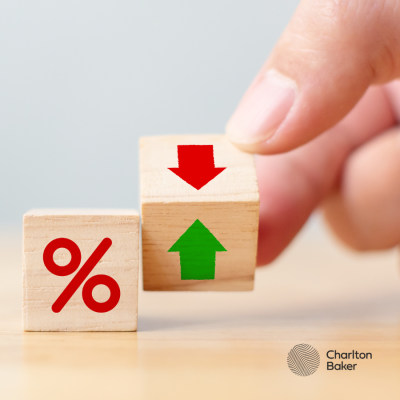
Could Your Savings Generate a Tax Bill?
Many savers assume that interest earned on their savings is always tax-free. In reality, while several allowances can protect some or all of your savings income, it’s still possible to receive an unexpected tax bill if you exceed them.
As interest rates rise and savings balances grow, it’s more important than ever to understand how savings income is taxed and what steps you can take to stay on top of your position.
How much savings interest is tax-free?
For most individuals, there are three key allowances that can reduce - or eliminate - tax on savings interest:
1. Personal Allowance
Your standard Personal Allowance (currently £12,570) may cover savings income if it hasn’t already been used by employment income, pensions, or other earnings. Any unused portion can effectively shield interest from tax.
2. Starting Rate for Savings
If your other income is low, you may qualify for the starting rate for savings - up to £5,000 of tax-free interest.
This allowance reduces by £1 for every £1 of income above your Personal Allowance
Once your non-savings income exceeds £17,570, you are no longer eligible
For lower-income individuals, this can be a valuable but often overlooked benefit.
3. Personal Savings Allowance (PSA)
The Personal Savings Allowance depends on your Income Tax band:
- Basic rate taxpayers: up to £1,000 tax-free interest
- Higher rate taxpayers: up to £500
- Additional rate taxpayers: no allowance
To determine your position, you must consider your total taxable income, including savings interest.
When could you face a tax charge?
If your total savings interest exceeds the combined allowances above, any excess will be taxed at your marginal Income Tax rate.
This is increasingly relevant in the current environment, where even modest savings can generate higher interest returns.
How is savings tax collected?
The way tax is collected depends on your circumstances:
- Employees and pensioners: HMRC typically adjusts your tax code based on prior-year interest
- Self-employed individuals: must declare savings income via a Self Assessment tax return
If savings and investment income exceeds £10,000, you’ll need to register for Self Assessment
Have you overpaid tax?
If you’ve paid too much tax on your savings interest, you may be able to reclaim it. Claims can usually be made within four years of the end of the relevant tax year, either through Self Assessment or directly with HMRC.
Practical steps to stay tax-efficient
To manage your savings tax position effectively:
- Regularly review your total income, including interest
- Make use of tax-efficient wrappers such as ISAs where appropriate
- Monitor changes in income that could affect your tax band
- Keep accurate records of interest received
How Charlton Baker can help
Understanding how savings income interacts with the wider tax system isn’t always straightforward. At Charlton Baker, we help clients plan proactively to minimise tax exposure, whether through personal tax planning, Self Assessment support, or broader financial structuring.
If you’re unsure whether your savings could trigger a tax bill, or want to ensure you’re making the most of available allowances, our friendly and knowledgeable team is here to help. Call them on 01380 723692 / email.
News & Resources

Making Tax Digital 2026: First Quarterly Deadline Explained
Could Your Savings Interest Be Taxed?

Are You Claiming All Allowable Business Expenses?

Tax on Employee Loans Explained

Class 1A NICs Deadline July 2026

Company Mobile Phones and Tax

Dividend Tax 2026/27 Explained
Companies House Enforcement Changes: What Businesses Need to Know
We are always here to talk