
VAT Exemption for Healthcare Services: What Registered Health Professionals Need to Know
7 Sep 2026
Categories & Tags
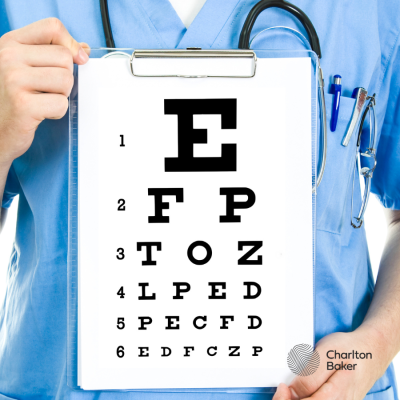
VAT Exemption for Healthcare Services: Understanding the Rules
VAT treatment for healthcare services is not always straightforward. While many services provided by registered health professionals can qualify for VAT exemption, the exemption depends on both the nature of the service and its primary purpose.
Understanding the rules is important for healthcare practitioners, clinics, and healthcare-related businesses, as applying the wrong VAT treatment can lead to unexpected costs and compliance issues.
When Are Healthcare Services VAT Exempt?
According to HMRC guidance, healthcare services supplied by a registered health professional are generally exempt from VAT where both of the following conditions are met:
- The service falls within the profession in which the individual is registered to practise.
- The primary purpose of the service is to protect, maintain or restore the health of the individual concerned.
If either condition is not met, the service may be subject to VAT at the standard rate.
What Counts as a Qualifying Medical Service?
For VAT purposes, medical services typically include care, treatment and diagnostic activities that are intended to support a person's health.
Examples of services that may qualify for VAT exemption include:
- GP and dental services provided under NHS and qualifying healthcare contracts
- Sight testing and prescribing services by opticians in England, Wales and Northern Ireland
- Primary and secondary eye examinations in Scotland
- Enhanced eye health services
- Laser eye surgery
- Hearing tests
- Osteopathy and chiropractic treatments
- Nursing care provided in a patient's home
- Pharmaceutical advice
- Diagnostic services and the analysis of samples used as part of the diagnostic process
These services are generally exempt because their main purpose is to diagnose, treat, monitor or improve a patient's health.
When Might VAT Still Apply?
The key factor is often the purpose of the service rather than the professional providing it.
For example, medical reports, certificates or assessments prepared for insurers, employers, legal proceedings or other third parties may be standard-rated for VAT. This is because their primary purpose is to help a third party make a decision, rather than to protect or restore the individual's health.
There are, however, separate VAT exemptions that may apply in certain insurance-related or education-related circumstances, depending on the specific facts.
Why Healthcare Providers Should Review Their VAT Position
Healthcare businesses often provide a mixture of exempt and taxable services. As services evolve or new revenue streams are introduced, VAT treatment can become increasingly complex.
A regular review can help ensure:
- VAT is being applied correctly
- Potential liabilities are identified early
- Partial exemption rules are managed appropriately
- Opportunities for tax efficiency are not overlooked
With HMRC continuing to focus on compliance, getting the VAT treatment right is more important than ever.
Need Advice on VAT for Healthcare Services?
Determining whether a healthcare service qualifies for VAT exemption is not always clear-cut. The specific facts, the provider's professional status, and the purpose of the service can all affect the outcome.
At Charlton Baker, our VAT specialists work with healthcare professionals, medical practices and business owners to help them navigate complex VAT rules, remain compliant and identify tax planning opportunities. Call us now on 01380 723692 or email here.
News & Resources

8 common crypto tax mistakes that could cost you

New Self Assessment reporting rules for company directors from 2025/26

VAT2 Form for Partnerships: VAT Registration and Partner Changes

Reporting Property Gains: Understanding the 60-Day CGT Reporting Rule

Capital Allowances for Pre-Development Costs: What the Supreme Court Ruling Means for Businesses

Corporation Tax on Business Asset Sales

HMRC Consultation on Company Distributions and Share Buybacks: What Business Owners Need to Know

HMRC Contacts Trustees Over Trust Tax Return Errors
We are always here to talk